
Fostering a child is an incredibly rewarding journey, but it also comes with deep complexities. When a young person enters the care system, they bring with them a unique set of experiences, challenges, and often, unhealed trauma. To provide the best possible care, foster carers need more than just a safe home and a compassionate heart. They need continuous access to specialist knowledge and practical tools.
At Lighthouse Fostering, we firmly believe that equipping our carers with the right education is the foundation of successful placements. Providing our foster carers with the tools and knowledge they need to succeed is at the heart of everything we do. We are deeply committed to supporting our carers with ongoing learning and development throughout their entire fostering journey.
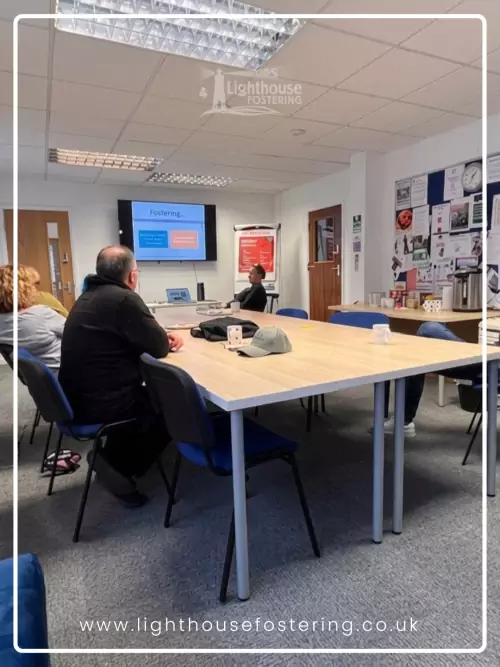
This month, we are thrilled to announce a highly anticipated addition to our training calendar. We are looking forward to our upcoming hybrid training session led by Bridget Hamlet, our resident Psychodynamic Psychotherapist. In this post, we will explore the focus of this essential session, delve into the concept of trauma held in the body, and explain how somatic techniques can transform the way you support a looked-after child.
The Importance of Ongoing Learning in Foster Care
The landscape of social care is constantly evolving. As researchers and psychologists learn more about child development and trauma, the strategies we use to support vulnerable young people must also adapt. Foster carers are on the absolute frontline of this vital work.
When you welcome a child into your home, you become their primary source of safety and emotional regulation. This is a profound responsibility. However, you cannot pour from an empty cup, and you cannot address complex psychological needs without the right training.
Ongoing learning ensures that you never feel out of your depth. It bridges the gap between wanting to help a child and knowing exactly how to help them in moments of acute distress. By attending regular training, you build a robust toolkit of therapeutic strategies. This continuous professional development forms a vital part of the comprehensive fostering support we provide to every family in our network.
Introducing Our Upcoming Hybrid Training Session
We understand that our foster carers have busy lives, balancing school runs, family commitments, and professional duties. To make our training as accessible as possible, our upcoming session will be delivered in a flexible hybrid format. Our foster carers can choose to join us either in person or online, ensuring everyone can participate in a way that suits their schedule.
This dedicated session will be led by Bridget Hamlet, a highly experienced Psychodynamic Psychotherapist. Bridget brings a wealth of clinical expertise to the Lighthouse Fostering team. She works closely with our carers and staff to ensure we maintain a deeply therapeutic approach to every placement.
During this upcoming session, Bridget will guide our carers through a fascinating and essential topic: trauma held in the body. We will spend time thinking about somatic ways of working with looked-after children, moving beyond traditional talking therapies to explore how the physical body processes and stores difficult experiences.
Understanding Trauma Held in the Body
When we think about trauma, we often think about memories stored in the mind. We assume that a child who has experienced neglect or abuse simply needs to talk about their feelings to heal. However, modern psychology tells us a different story.
Trauma is not just a cognitive experience; it is a deeply physical one. When a child experiences a terrifying or deeply stressful event, their nervous system goes into survival mode. They fight, they flee, or they freeze. If this stress cycle is not properly resolved, the trauma becomes trapped in their nervous system.
The body quite literally keeps the score. A child might not have the words to describe what happened to them, but their physical body remembers the feeling of unsafety. This trapped trauma can manifest as unexplained stomach aches, chronic muscle tension, difficulty sleeping, or a constantly racing heart. Understanding how trauma can be stored in the body is the first step toward providing effective, trauma-informed care.
Seeing Behaviours Through a Trauma-Informed Lens
One of the most powerful shifts a foster carer can make is changing how they view a child's behaviour. Traditional parenting often focuses on discipline and correcting "bad" behaviour. However, for a child with a history of trauma, traditional methods often fail and can even cause further distress.
During our training session, Bridget will help carers understand children’s behaviours through a trauma-informed lens. When a child suddenly lashes out, runs away, or completely shuts down, they are not usually trying to be difficult. Instead, their nervous system has been triggered.
Their body is reacting to a perceived threat, even if they are currently sitting in a safe, quiet living room. By viewing these challenging moments as stress responses rather than deliberate disobedience, carers can respond with empathy and patience. This shift in perspective is crucial for building trust and promoting long-term healing.
Practical Somatic Techniques for Everyday Life
Understanding the theory of trauma is important, but practical application is what truly changes lives. The core focus of Bridget’s training is to equip carers with actionable, body-based strategies. These are known as somatic techniques.
Somatic therapy focuses on the deep connection between the mind and the body. Because trauma is stored physically, we must use physical methods to help release it. You cannot always reason a child out of a panic attack using logic, but you can use their body to signal to their brain that they are finally safe.
Ways to Help Children Feel Safe, Calm, and Connected
The training will cover a variety of practical, body-based techniques to support emotional regulation. These are simple, highly effective tools that foster carers can weave into their everyday routines.
For example, carers will learn about the power of grounding exercises. This might involve asking a highly anxious child to take off their socks and feel the texture of the carpet under their feet. It brings their awareness out of a traumatic flashback and back into the present physical moment.
Other somatic techniques include specific deep breathing exercises designed to slow a racing heart, or using rhythmic movements like rocking or swinging to soothe an overwhelmed nervous system. Bridget will also discuss the importance of physical co-regulation, where a calm adult uses their own steady breathing and relaxed posture to help a distressed child physically calm down.
Ultimately, these techniques provide vital ways to help children feel safe, calm, and connected. When a child learns how to regulate their own nervous system, they gain a profound sense of control over their own body and emotions.
Comprehensive Fostering Support in Kent and East Sussex
This upcoming session on trauma and somatic practice is just one example of how we invest in our community. At Lighthouse Fostering, we never expect you to navigate the complexities of therapeutic parenting alone.
We offer an extensive, carefully curated curriculum of training designed to build your confidence and expand your skill set. From safeguarding and paediatric first aid to advanced workshops on neurodiversity and trauma-informed care, we ensure you have everything you need to thrive.
Furthermore, our training is backed up by unwavering, round-the-clock fostering support. You will receive regular supervision from dedicated social workers, access to local support groups, and a 24-hour helpline for unexpected emergencies. We wrap our arms around our carers so that they can, in turn, wrap their arms around the children who need them most.
Take the Next Step With Lighthouse Fostering
We are incredibly excited about the insights and practical tools this upcoming training will provide. By understanding trauma held in the body and utilising somatic techniques, our carers will be better equipped than ever to transform the lives of vulnerable children.
If you are a current carer, please keep an eye on your inbox for joining instructions for Bridget's session. We look forward to seeing you there, whether in person or via the online stream.
If you are not yet a foster carer but feel inspired by the profound impact of therapeutic parenting, we would love to hear from you. We are always looking for warm, dedicated individuals to join our supportive family.
To learn more about the comprehensive training and continuous fostering support we offer our community in Kent and East Sussex, please visit our website today. Get in touch with our friendly team to ask questions, explore your options, and discover how you can begin your own life-changing fostering journey.